
What is the importance of a motherboard’s form factor?
The motherboard’s form factor is crucial for several reasons:
- Compatibility: The form factor of a motherboard determines its physical dimensions, layout, and mounting points. It dictates the type and number of components that can be installed on the motherboard, including the processor, memory modules, expansion cards, and storage devices. Choosing a motherboard with the right form factor ensures compatibility with other hardware components and peripherals, allowing for a seamless integration and optimal performance of the computer system.
- Case Compatibility: The form factor of the motherboard must match the form factor of the computer case or chassis. Different form factors, such as ATX, Micro ATX, Mini-ITX, and E-ATX, have distinct sizes and mounting hole patterns. Selecting a motherboard that fits the case properly ensures proper installation and adequate airflow for cooling, optimizing the thermal performance and reliability of the system.
- Expansion Options: The form factor of the motherboard determines the number and type of expansion slots available for adding additional components, such as graphics cards, sound cards, networking cards, and storage controllers. Larger form factor motherboards, such as ATX and E-ATX, typically offer more expansion slots and connectivity options compared to smaller form factors like Micro ATX and Mini-ITX. Choosing the right form factor ensures sufficient expansion options to meet the user’s needs for upgrading and expanding the system in the future.
- Space Constraints: The form factor of the motherboard is essential for systems with space constraints, such as small form factor PCs, home theater systems, and embedded devices. Smaller form factor motherboards, such as Mini-ITX and Nano-ITX, are designed to fit compact enclosures and offer a balance between performance and size, making them ideal for space-constrained environments.
- Portability and Aesthetics: The form factor of the motherboard also influences the overall aesthetics and portability of the computer system. Smaller form factor motherboards are often preferred for building lightweight and portable systems, such as gaming laptops, ultrabooks, and compact desktops. Additionally, motherboard manufacturers often design motherboards with attractive layouts and color schemes to enhance the visual appeal of the system and cater to different aesthetic preferences.
In summary, the form factor of the motherboard is essential for ensuring compatibility, expanding options, optimizing thermal performance, accommodating space constraints, and enhancing the overall aesthetics and portability of the computer system. It is crucial to select a motherboard with the right form factor that meets the specific requirements and preferences of the user.
About the author : motherboardworld

Related posts
Popular products
-
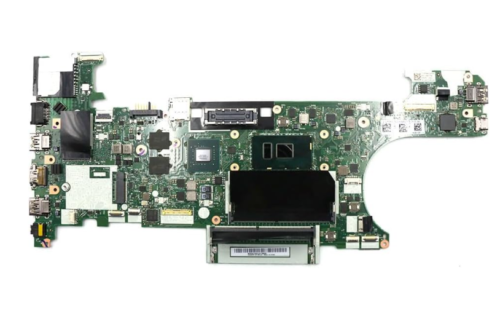 01HW555 i7-6500U DIS SWG GeForce 940MX Graphics For Lenovo ThinkPad T470 Motherboard System Board
Original price was: $179.00.$159.00Current price is: $159.00.
-
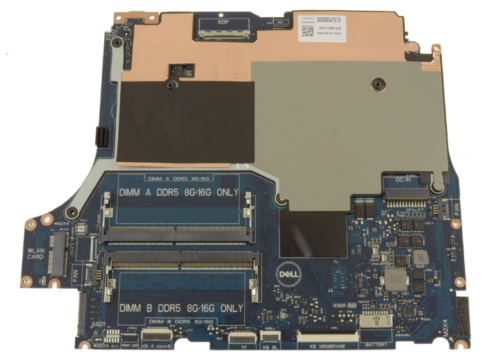 0XH9J 00XH9J AMD Ryzen 7 6800H Up to 4.7GHz - RTX 3070 For Dell G Series G15 5525 Motherboard
Original price was: $429.00.$299.00Current price is: $299.00.
-
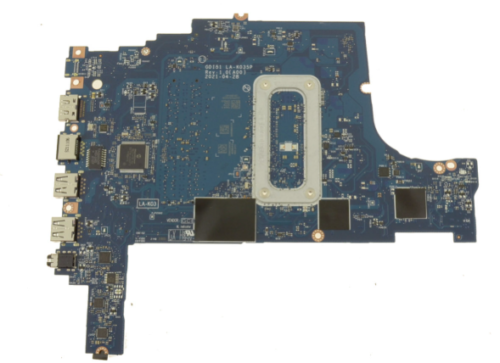 FP20G 0FP20G i5-1035G1 Integrated Graphics For Dell Inspiron 3501 Motherboard
Original price was: $89.00.$69.00Current price is: $69.00.
-
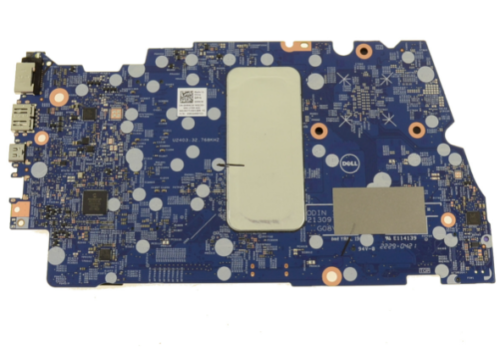 HRNCW 0HRNCW Intel i7-1260P Up To 4.7GHz Intel UMA Graphics For Dell Vostro 5620 Motherboard
Original price was: $239.00.$219.00Current price is: $219.00.
